
capacity
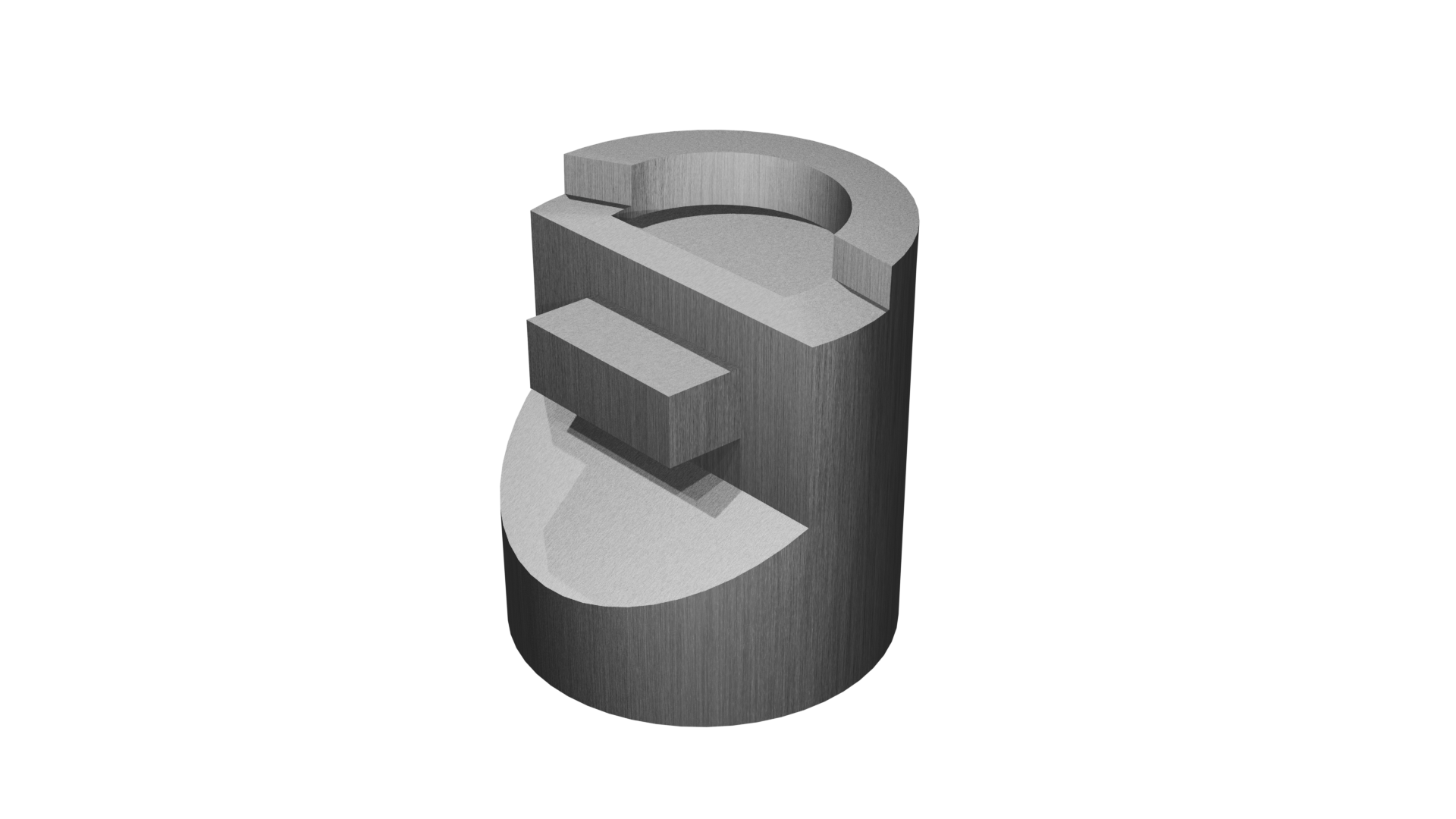
machining
Machining is a precision manufacturing process used to shape and finish metal components through operations such as turning, milling, drilling, and grinding. Using advanced CNC and conventional machines, machining delivers high dimensional accuracy, tight tolerances, and smooth surface finishes. It is widely used to manufacture shafts, flanges, fittings, valves, fasteners, and custom-engineered parts for industries like aerospace, automotive, oil & gas, power generation, and industrial engineering. Machining can be performed on materials including stainless steel, carbon steel, aluminum, brass, copper, titanium, and special alloys.
forging
Forging is a metal manufacturing process in which metal is shaped using compressive force, heat, and specialized forging equipment. It produces components with superior strength, durability, and structural integrity compared to cast or fabricated parts. Common forging methods include open-die, closed-die, and ring rolling, used to manufacture shafts, flanges, fittings, rings, and heavy-duty industrial components. Forged parts are widely used in aerospace, automotive, oil & gas, power generation, marine, and construction industries. Forging can be performed on materials such as stainless steel, carbon steel, alloy steel, aluminum, titanium, brass, and other high-performance alloys.

fabrication
Fabrication is a manufacturing process used to create metal structures and components through cutting, bending, welding, assembling, and finishing operations. It is widely used to produce custom-engineered products such as frames, tanks, enclosures, pipe systems, structural parts, and industrial equipment. Metal fabrication offers flexibility in design, high strength, and cost-effective production for both small and large-scale applications. Industries such as construction, oil & gas, automotive, power generation, marine, and infrastructure rely heavily on fabricated components. Fabrication can be performed using materials like stainless steel, carbon steel, aluminum, brass, copper, and specialized alloys.
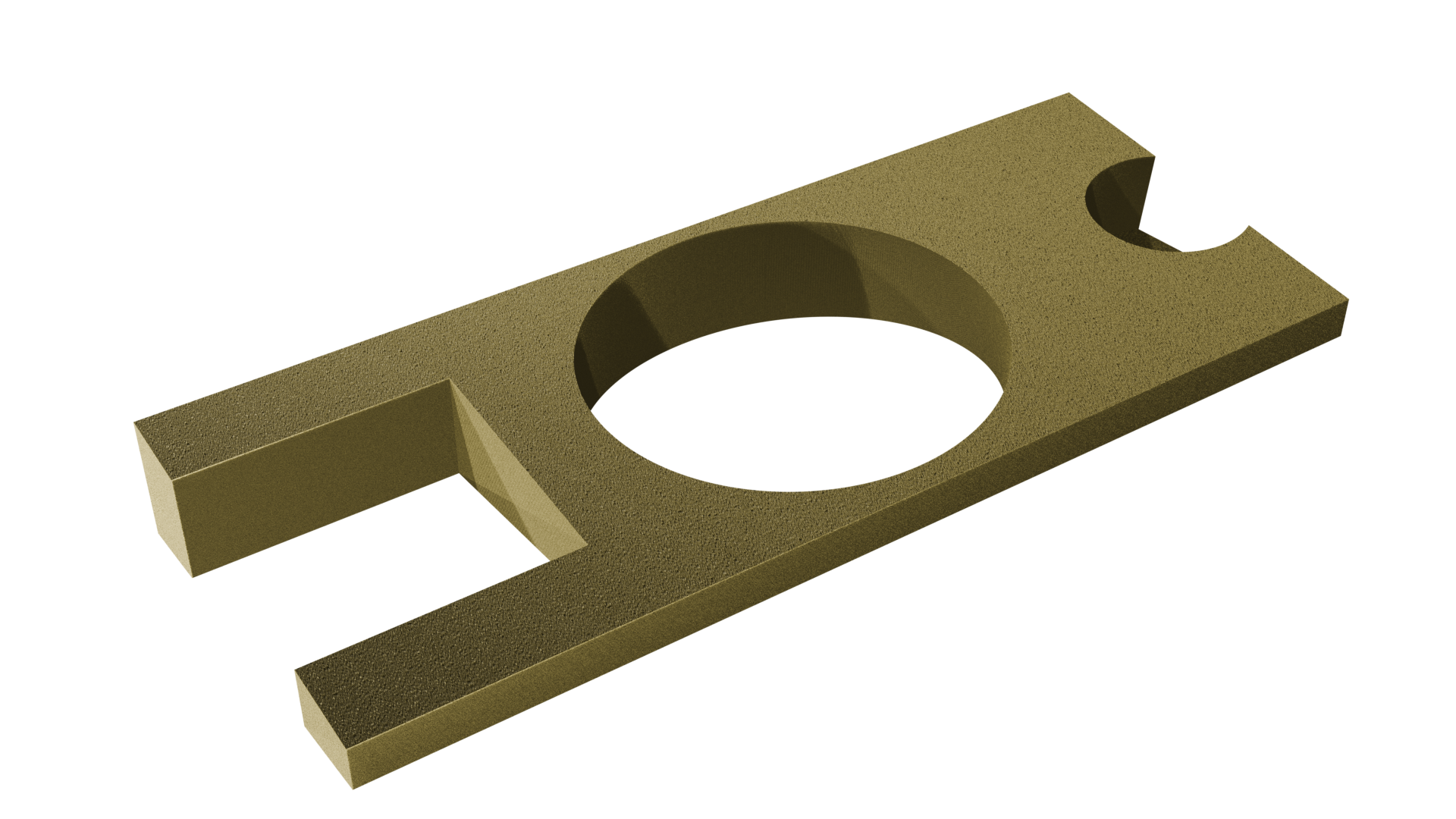
casting
Casting is a metal manufacturing process in which molten metal is poured into a mould cavity and allowed to solidify into a desired shape. This process is widely used to produce complex metal components with excellent dimensional flexibility and cost-effective production for both small and large quantities. Metal casting can be performed using various methods such as sand casting, investment casting, die casting, shell moulding, and centrifugal casting. Components can be manufactured in materials including stainless steel, carbon steel, cast iron, aluminum, bronze, brass, nickel alloys, and other specialty metals. Cast products are extensively used in industries such as automotive, aerospace, oil & gas, marine, power generation, construction, and heavy engineering for manufacturing valves, pump bodies, flanges, housings, impellers, machinery parts, and custom industrial components.
forming
Forming is a metal shaping process used to manufacture buttweld fittings and other seamless components through controlled deformation techniques such as pressing, bending, expanding, and reducing. It enables the production of elbows, tees, reducers, caps, and stub ends with precise dimensions, smooth flow characteristics, and high structural strength. Formed fittings are widely used in piping systems across industries including oil & gas, petrochemical, power generation, shipbuilding, and water treatment. The process supports materials such as stainless steel, carbon steel, alloy steel, duplex steel, nickel alloys, aluminum, and other corrosion-resistant metals.
3d-printing
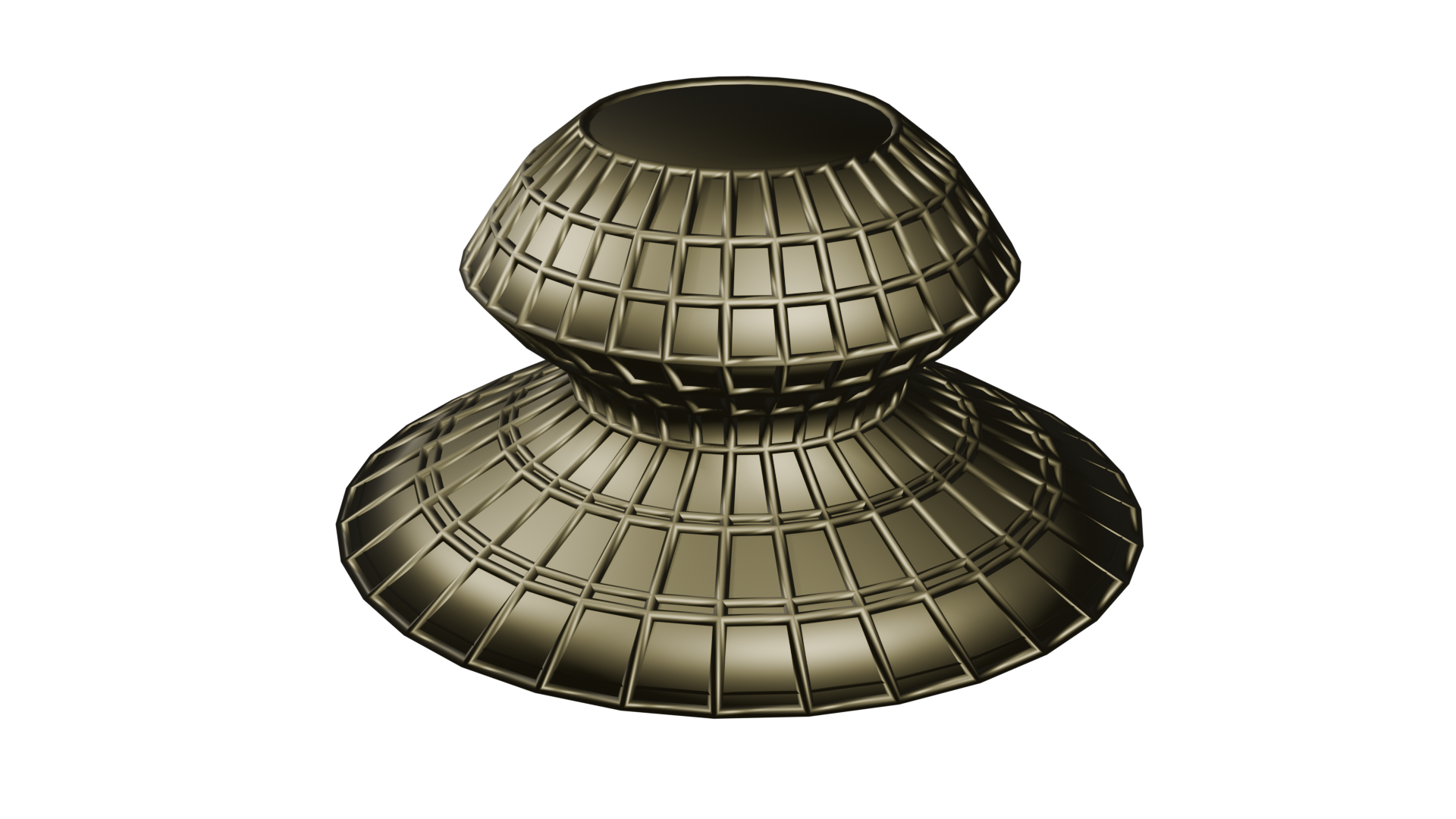
3D printing is an advanced manufacturing process that creates components layer by layer from digital designs, enabling high precision, complex geometries, and rapid production. It is widely used for prototypes, custom parts, tooling, and low-volume industrial components with minimal material waste. Metal 3D printing supports the production of lightweight yet durable parts for aerospace, automotive, medical, energy, and engineering applications. Common technologies include DMLS, SLM, and binder jetting. The process can be performed using materials such as stainless steel, titanium, aluminum, Inconel, cobalt alloys, tool steel, and other high-performance metals.
surface finishing
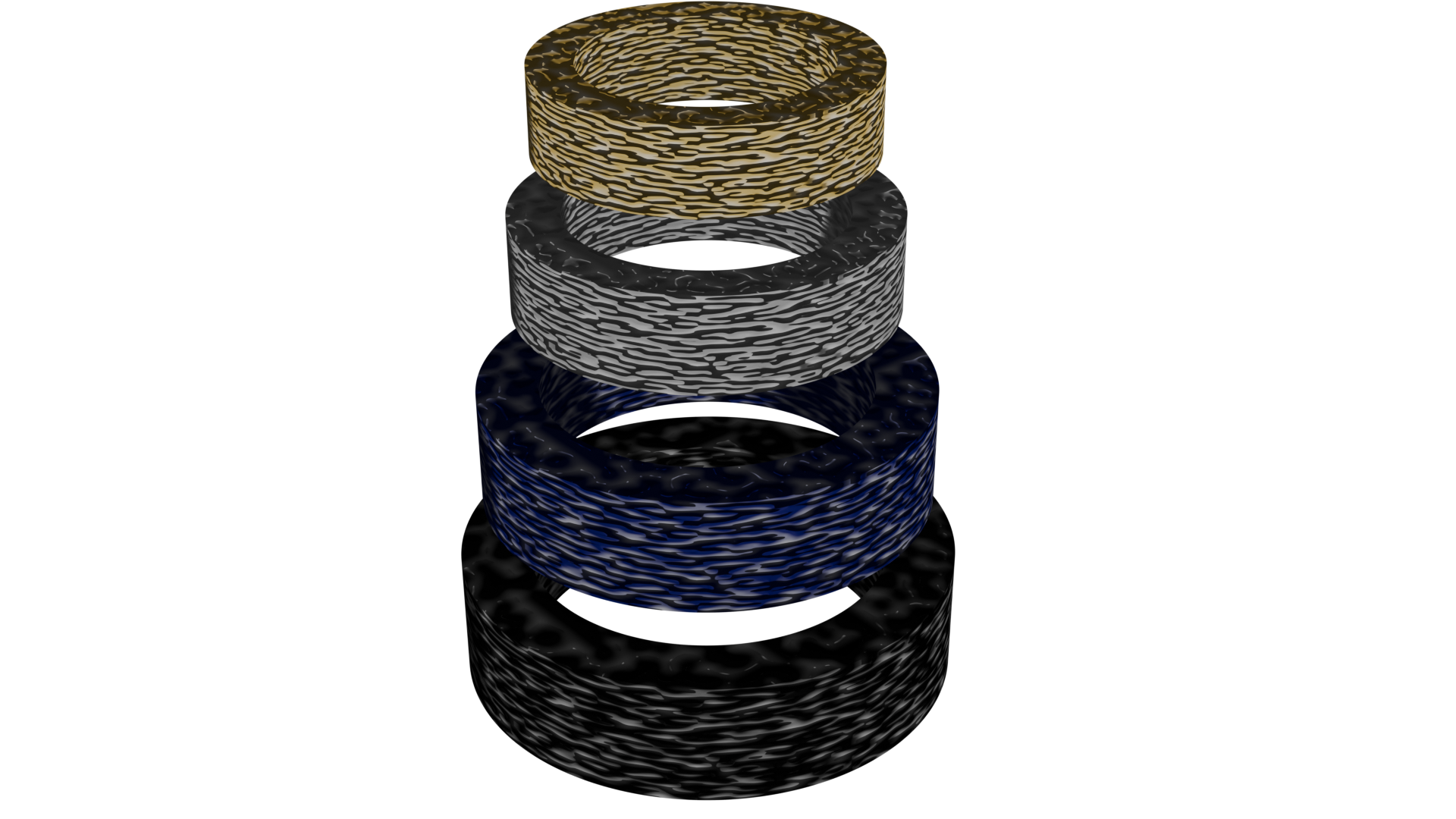
Surface finishing is a metal treatment process used to improve the appearance, durability, corrosion resistance, and performance of industrial components. It includes processes such as polishing, electropolishing, anodizing, galvanizing, PVD coating, powder coating, sandblasting, and passivation. Surface finishing enhances wear resistance, surface hardness, and aesthetic quality while extending product life in demanding environments. It is widely used for machined parts, pipe fittings, fasteners, architectural products, and industrial equipment across aerospace, automotive, marine, medical, and construction industries. The process is suitable for stainless steel, carbon steel, aluminum, brass, titanium, and other engineered alloys.