forgings
what are machined components ?
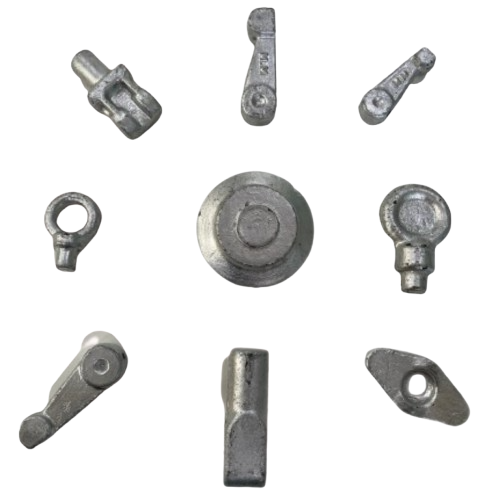
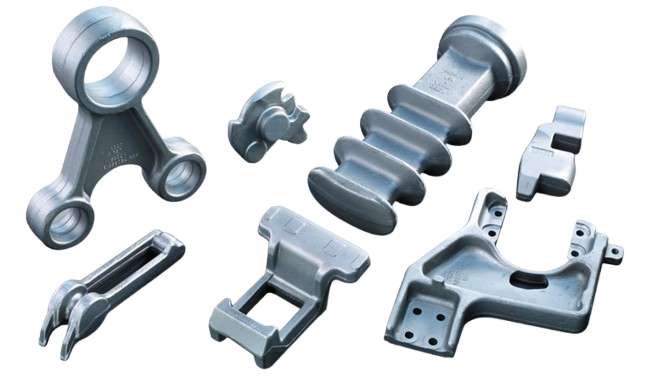
Forgings are high-strength metal components manufactured by shaping metal under extreme compressive force using forging hammers, presses, or precision dies. The forging process enhances the internal grain structure of the metal, producing components with superior mechanical strength, durability, toughness, and fatigue resistance compared to conventional manufacturing methods.
Forged components are extensively used in industries such as oil & gas, petrochemical, aerospace, automotive, marine, construction, mining, energy, and heavy engineering where high-performance metal parts are essential for critical operations.
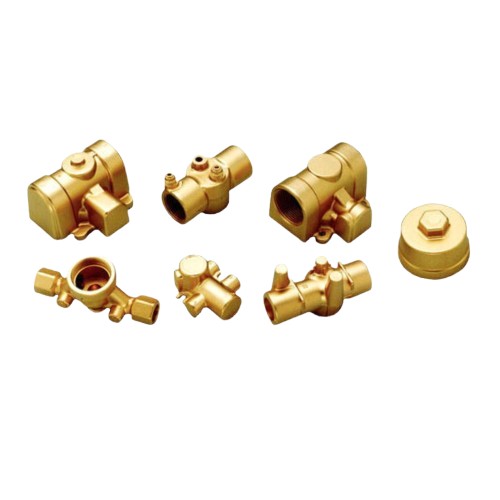
Common forged products include forged flanges, forged shafts, forged rings, forged fittings, forged valves, forged gears, forged discs, and custom forged components manufactured in stainless steel, carbon steel, alloy steel, duplex steel, titanium, aluminum, brass, copper, and nickel alloys.
At Contorc Industries, we manufacture precision forged components designed for high strength, dimensional accuracy, corrosion resistance, and long-term industrial performance for customers across global markets.
different types of forged components
Forged components are manufactured in a wide range of shapes and specifications to meet the demanding requirements of industrial, mechanical, structural, and high-pressure applications. Different types of forged components are used across industries such as oil & gas, petrochemical, automotive, aerospace, marine, power generation, construction, and heavy engineering due to their exceptional strength, durability, and reliability.
Common types of forged components include forged flanges, forged pipe fittings, forged shafts, forged rings, forged discs, forged blocks, forged gears, forged valves, forged fasteners, forged couplings, forged hubs, forged rollers, forged crankshafts, forged connecting rods, forged bearing rings, forged manifolds, forged nozzles, forged collars, forged bushes, forged pins, and custom forged metal components. These forged products are manufactured using open die forging, closed die forging, seamless ring rolling, upset forging, and precision forging processes depending on the application requirements.
At Contorc Industries, we manufacture and supply high-quality forged components in stainless steel, carbon steel, alloy steel, duplex steel, titanium, aluminum, brass, copper, and nickel alloys for critical industrial applications worldwide.
materialS
stainless steel
mild & high carbon steel
copper & alloys
nickel & alloys
special alloys
alloy steel
industries they are used in
Forged components are widely used across multiple industries where high strength, structural integrity, durability, and resistance to extreme operating conditions are essential. Due to their superior mechanical properties and long service life, forged metal components are preferred for critical industrial and engineering applications worldwide.
Industries that commonly use forged components include oil & gas, petrochemical, chemical processing, power generation, renewable energy, automotive, aerospace, defense, marine, shipbuilding, mining, construction, heavy engineering, cement plants, steel plants, railways, infrastructure, agriculture, pulp & paper, food processing, pharmaceutical, water treatment, and industrial manufacturing sectors. Forged components are extensively used in machinery, pipelines, pressure systems, rotating equipment, engines, turbines, structural assemblies, and high-performance mechanical systems where reliability and safety are critical.
At Contorc Industries, we manufacture high-quality forged components engineered to meet the demanding requirements of global industrial applications across diverse sectors.
MANUFACTURING PROCESS
The manufacturing process of forgings involves shaping metal using controlled compressive force to produce high-strength and durable forged components for industrial applications. The forging process enhances the mechanical properties, grain structure, and overall performance of the material, making forged products ideal for critical engineering applications.
The forging manufacturing process begins with the selection of high-quality raw materials such as stainless steel, carbon steel, alloy steel, duplex steel, titanium, aluminum, brass, copper, and nickel alloys. The metal billets or bars are then heated to a specific forging temperature in industrial furnaces to achieve the required plasticity for deformation.
Once heated, the material undergoes open die forging, closed die forging, upset forging, press forging, or ring rolling processes using hydraulic presses, forging hammers, and precision dies to achieve the desired shape and dimensions. After forging, the components are subjected to trimming, heat treatment, machining, surface finishing, and dimensional inspection to ensure superior mechanical strength, accuracy, and structural integrity.
At Contorc Industries, we manufacture precision forged components using advanced forging technologies and strict quality control processes to deliver reliable and high-performance industrial products for global markets.
CITIES that we deliver to
Contorc Industries supplies forgings and other engineered metal products to customers across leading industrial and manufacturing regions worldwide. Our global delivery network serves industries in major cities including Pune, Chennai, Bengaluru, Ahmedabad, Surat, Kolkata, Ho Chi Minh City, Manila, Taipei, Busan, Osaka, Perth, Brisbane, Vancouver, Toronto, Monterrey, São Paulo, Istanbul, Antwerp, Lyon, Stuttgart, Warsaw, Vienna, Muscat, Kuwait City, and Manama.
With a strong focus on quality manufacturing, timely delivery, and customized engineering solutions, Contorc Industries supports diverse sectors including automotive, oil & gas, construction, heavy engineering, aerospace, power generation, marine, and industrial manufacturing across global markets.